
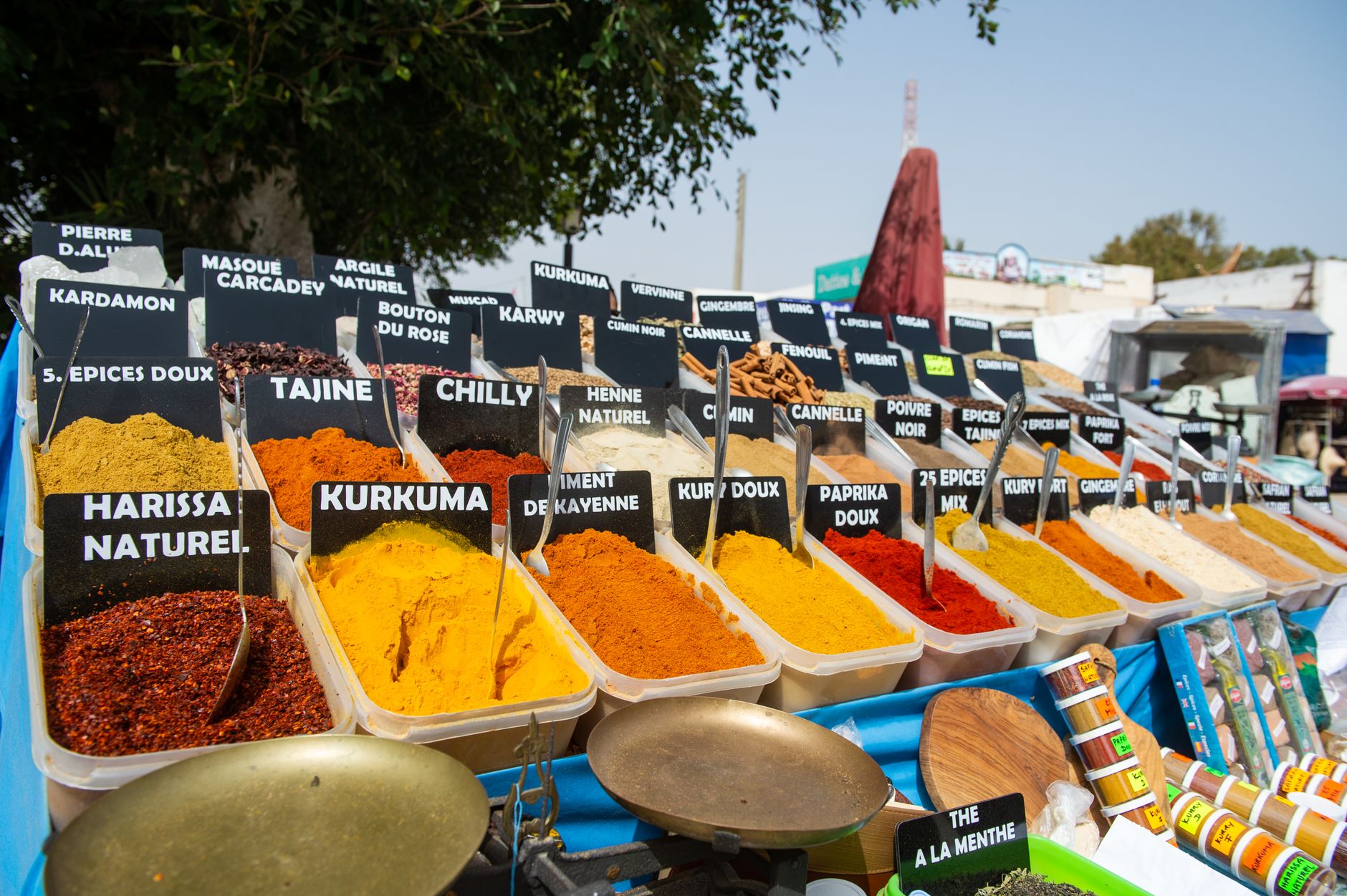
The sale of loose spice powders has been banned in Maharashtra to curb adulteration. This move aims to enhance food safety and protect consumers from harmful practices.
Maharashtra’s Ban on Loose Spice Powders
The recent decision by the Maharashtra government to ban the sale of loose spice powders has raised significant awareness around food safety and quality. This move aims to combat the persistent issue of adulteration, which has plagued the spice industry for years.
By prohibiting the sale of loose spice powders, authorities hope to encourage consumers to opt for packaged spices, which are subject to stricter quality controls. The ban is not only a protective measure for public health but also a step towards promoting transparency in the spice market.
Several stakeholders have expressed support for this regulation, highlighting the benefits of buying packaged spices. Packaging ensures that spices remain fresh and uncontaminated, while detailed labeling provides consumers with essential information about the product’s origin and ingredients.
While some local vendors may face challenges due to this ban, the overall objective is clear: to foster a safer food environment. As consumers become more aware of the risks associated with adulterated spices, the shift towards the sale of loose spice powders will likely decline, paving the way for a healthier and more informed populace.
- Health benefits from reduced adulteration
- Increased consumer trust in packaged products
- Support for local farmers and brands
Impact of Adulteration on Consumers
The impact of adulteration on consumers is an increasingly pressing concern, especially with the recent sale of loose spice powders coming under scrutiny following Maharashtra’s ban. Adulteration not only compromises the quality of spices but also poses significant health risks to consumers. Many spices available in loose form are often mixed with harmful substances that can lead to serious health issues.
According to health experts, the presence of adulterants such as artificial colors, starch, and other non-food substances can cause long-term health complications, including gastrointestinal disorders and allergic reactions. The lack of stringent regulation in the sale of loose spice powders makes it difficult for consumers to identify safe products.
Furthermore, the economic repercussions for consumers are notable. Lower-quality spices may lead to a false sense of savings, as they can diminish the flavor profile and nutritional value of meals, ultimately resulting in wasted food and money. As awareness of these issues grows, many consumers are now more inclined to opt for packaged spices that are clearly labeled and certified for safety.
In light of these concerns, the spotlight is on the importance of prioritizing food safety and quality over convenience, making the sale of loose spice powders a topic of critical discussion.
Benefits of Buying Packaged Spices
The decision to buy packaged spices instead of loose spice powders offers numerous advantages for consumers, particularly in light of recent regulations aimed at ensuring food safety. As the Maharashtra government implements a ban on the sale of loose spice powders, individuals are becoming more aware of the benefits associated with packaged alternatives.
One significant advantage of purchasing packaged spices is the reduction in the risk of adulteration. Packaged spices are subject to stringent quality control measures, which help guarantee that the products are pure and free from harmful additives. This commitment to safety is essential for maintaining consumer trust.
Additionally, packaged spices often come with clear labeling that includes essential information such as:
- Ingredients: Consumers can easily identify what they are purchasing.
- Expiration dates: Ensures that spices are fresh and safe for consumption.
- Nutritional information: Helps individuals make informed dietary choices.
Moreover, buying packaged spices can enhance convenience, as they are readily available in various sizes and blends, catering to diverse culinary needs. Ultimately, the shift towards the sale of loose spice powders may not only protect consumers but also encourage a healthier, safer cooking environment.
Understanding Food Safety Regulations
Understanding food safety regulations is crucial for both consumers and businesses in the spice industry. With the recent ban on the sale of loose spice powders in Maharashtra, governments are taking significant steps to protect public health. These regulations aim to address the rampant issue of adulteration that has plagued the spice market for years.
Food safety regulations typically encompass several critical components, including:
- Quality Control: Ensuring that spices meet specific standards to guarantee their purity and safety.
- Labeling Requirements: Mandating clear labeling of packaged spices to provide consumers with essential information regarding ingredients and origin.
- Inspection and Compliance: Regular inspections of spice processing units to ensure adherence to safety protocols.
These regulations not only help in maintaining the quality of spices but also empower consumers to make informed choices. The sale of loose spice powders has often been associated with unsafe practices, leading to health risks. By transitioning to packaged spices, which are subject to stringent quality checks, consumers can significantly reduce their exposure to harmful substances.
Ultimately, understanding and complying with food safety regulations can lead to a more transparent and safer spice market, benefiting both consumers and producers alike.
Photo by Son Tung Tran on Pexels