
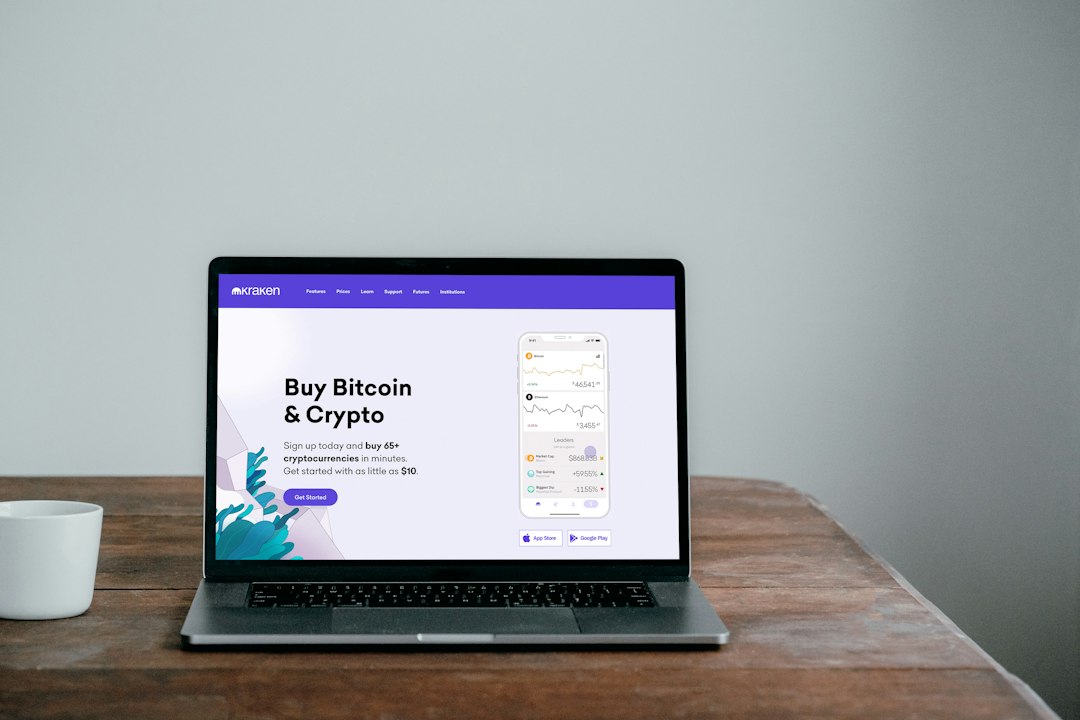
Online gambling continues to reflect broader changes in financial technology, with cryptocurrency becoming increasingly relevant to digital entertainment. Online Gambling with Bitcoin combines internet-based gaming with a payment model built around blockchain networks and digital wallets. This development has changed how users approach transactions, account management, and payment security while creating new expectations for convenience and digital accessibility.
A New Approach to Digital Payments
Traditional online gambling transactions often depend on established banking systems and payment providers. Bitcoin introduces a different structure in which transactions are initiated through cryptocurrency wallets and processed across a blockchain network.
This can create a more direct digital payment experience. Users can manage their cryptocurrency independently before transferring it to a compatible gambling account. The process requires familiarity with wallet addresses, transaction confirmations, and platform-specific procedures.
For experienced cryptocurrency users, these steps can feel familiar. For newcomers, they highlight the importance of learning how digital assets work before participating.
Transaction Records Work Differently
Bitcoin transactions are recorded on a blockchain rather than being maintained solely within the internal systems of a financial institution. This creates a permanent digital record associated with the relevant wallet addresses.
The structure can provide useful transaction visibility, but it also requires users to understand that blockchain activity is not identical to conventional private banking. Wallet addresses can be publicly observable, while the connection between an address and a real-world identity may depend on information held by exchanges, service providers, or gambling platforms.
This distinction makes digital literacy an important part of cryptocurrency gambling.
User-Controlled Wallets
One of the defining characteristics of Bitcoin is the role of the digital wallet. Rather than depending entirely on a conventional bank account, users can maintain cryptocurrency through wallet software or other compatible services.
This gives users greater direct control over their digital assets. It also introduces additional responsibilities. Secure passwords, recovery information, device protection, and careful transaction verification are important because cryptocurrency transfers can be difficult to reverse once processed.
For gambling users, responsible wallet management should therefore be considered alongside responsible gaming.
Convenience and Accessibility
Online gambling is already designed around remote access, and cryptocurrency can complement this structure. Players can use digital wallets without visiting a physical banking location, making the payment process compatible with an internet-first lifestyle.
Mobile technology further supports this model. A user can access wallet services and gambling accounts from a connected device, depending on platform availability and local regulations.
However, accessibility does not remove the need for verification. Gambling services may require identity checks or other compliance procedures, even when cryptocurrency is used for transactions.
Security Becomes a Shared Responsibility
Cryptocurrency can change the way users think about financial security. With conventional payment methods, banks and payment providers often provide layers of account protection. Bitcoin places more emphasis on the user’s own wallet security.
This means players should verify website addresses, avoid sharing private wallet credentials, and review transaction information before confirming transfers. Using secure devices and maintaining updated account protections can also reduce avoidable risks.
A convenient payment system is most useful when users understand how to operate it safely.
The Broader Gambling Experience
Bitcoin does not replace the other elements that shape online gambling. Game design, platform navigation, account tools, customer support, licensing information, and responsible gambling features remain relevant.
The payment system should therefore be considered as part of the wider user journey. A platform may provide cryptocurrency support while still requiring users to assess its rules, security practices, available services, and regulatory position.
Looking at the Future of Digital Gambling
The connection between cryptocurrency and online gambling illustrates how digital industries often evolve together. As users become more familiar with blockchain technology, expectations surrounding payment flexibility and digital account management may continue to develop.
Bitcoin has introduced a payment structure that emphasizes digital ownership, wallet-based transactions, and blockchain records. Its influence on online gambling is therefore broader than the simple ability to deposit or withdraw digitally. It represents part of a continuing movement toward technology-driven entertainment, where payment systems, account management, and user experience increasingly operate within the same digital ecosystem.
Quick Summary
- Online gambling is increasingly integrating cryptocurrency, particularly Bitcoin, altering transaction methods and payment security.
- Bitcoin transactions are processed through cryptocurrency wallets and a blockchain network, allowing for a more direct payment experience compared to traditional banking systems.
- Unlike conventional banking, Bitcoin creates a permanent digital record of transactions on the blockchain, necessitating user understanding of wallet addresses and transaction confirmations.
- Users have greater control over their assets with digital wallets but also bear added responsibilities for security and transaction verification.
- Accessibility to online gambling services using cryptocurrency still requires compliance procedures like identity checks.
- The integration of Bitcoin in online gambling emphasizes a broader technological shift that influences payment flexibility and user experience in digital entertainment.