
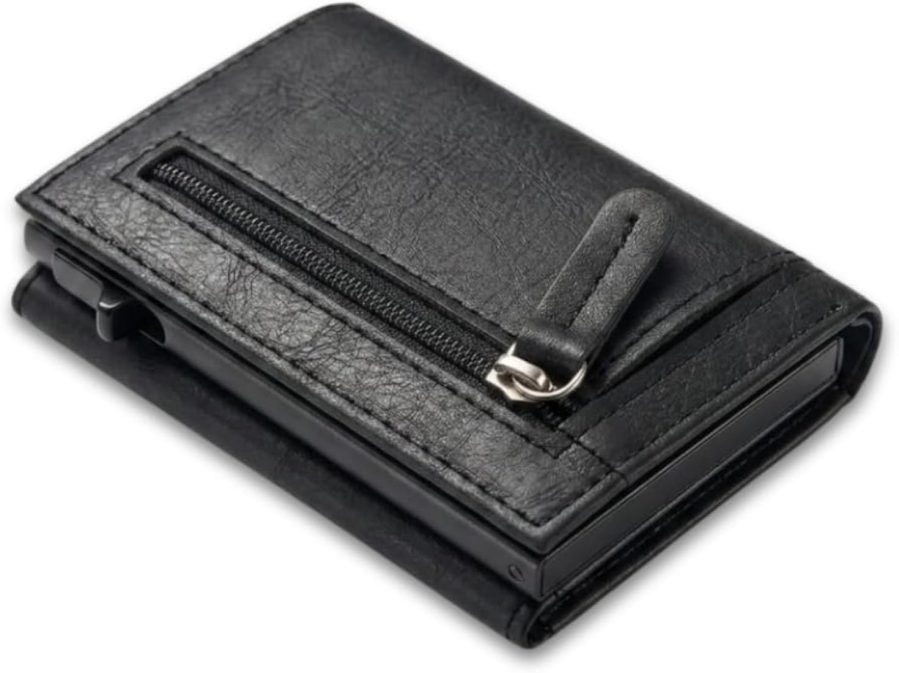
Pocket space often feels limited during busy routines. Bulky wallets can make simple access feel unnecessarily slow. A slim card holder keeps essential cards closer and easier to reach. Its compact shape also reduces pressure against clothing. Good layouts matter because placement affects every retrieval. Material choice adds another layer to everyday handling. Together, these details create a carrying method suited to quick payments and regular movement.
Compact Profiles Keep Pockets Easier
Slim construction reduces the space required for daily cards. That smaller shape can sit neatly against fabric. As a result, pockets retain more usable room. A narrow profile also prevents excessive movement during walking. However, compact sizing should not sacrifice useful storage. Balanced proportions allow essential cards to remain separated. This makes each selection quicker during short transactions.
Which Layout Supports Faster Retrieval?
Card placement affects speed more than overall appearance. Frequently used pieces deserve positions near accessible openings. Less-used items can remain behind protected sections. That arrangement creates a simple order for repeated use. For instance, a commuter may place payment cards forward. Identification can sit behind those frequently handled pieces. Useful layout details include:
- Thumb openings expose selected cards quickly.
- Angled slots support smoother finger movement.
- Separate sections prevent unnecessary card searching.
- Firm compartments reduce unwanted card movement.
- Rounded edges make pocket removal easier.
Each feature serves a practical purpose during movement. None needs complicated mechanisms to remain useful. Instead, thoughtful spacing creates a familiar retrieval pattern. Once that pattern becomes natural, access requires less attention.
Material Choice Changes Everyday Handling
Construction material influences grip, flexibility, and overall thickness. Leather offers a softer surface with gradual character. Metal provides firmer structure and defined edges. Fabric options can provide flexibility with lighter handling. Each choice changes how the accessory feels daily.
For regular use, the card holder should suit personal habits. Someone handling cards often may prefer flexible access. Another person may value firmer protection instead. Therefore, material selection works best around actual carrying needs. The right texture can also improve grip during quick exchanges.
Can Storage Remain Neat And Selective?
Small storage works better when every slot has purpose. Keeping unnecessary cards can quickly defeat compact sizing. A selective arrangement leaves important items easier to locate. It also prevents thick layers from building around unused sections.
A sensible order keeps familiar items near the front. Secondary pieces can occupy deeper spaces without causing delays. This approach gives each card a clear position. Useful grouping may follow a simple pattern:
- Payment cards stay closest to open edges.
- Identification remains behind stronger protection.
- Membership cards use secondary compartments.
- Spare cards stay separate from essentials.
Such grouping reduces repeated sorting during ordinary errands. It also makes misplaced cards easier to notice. When storage follows a fixed order, retrieval becomes predictable.
What Keeps Cards Secure During Movement?
Retention matters whenever pockets face constant movement. Walking, sitting, and bending can shift loose contents. Secure compartments help maintain stable positioning throughout those actions. Covered sections can also limit surface contact between cards.
Still, excessive tightness can slow deliberate removal. A useful design balances grip against accessibility. Firm stitching can support that balance without adding bulk. Reinforced edges may also reduce wear around frequently handled areas. Simple construction can therefore support both access and protection.
Small Details Define Carrying Habits
Daily convenience often depends on details rather than size. Pocket placement affects reach, while slot order affects retrieval. Edge shape can influence how smoothly an item leaves fabric. Surface texture can change grip during rushed moments.
For that reason, compact storage works best with intentional choices. Keeping essential cards together reduces unnecessary searching. A thumb opening then becomes more useful during payments. The broader benefit comes from reducing small interruptions. Instead of searching through layered storage, each card has purpose and position. That difference can quietly reshape an ordinary carrying routine.
FAQs
What makes slim storage easier to handle?
Accessible openings and balanced slot tension support smooth retrieval. A clear card order also prevents unnecessary searching during regular use.
Can compact designs protect cards properly?
Yes, secure compartments can reduce movement and surface contact. Strong edges can also help limit wear during repeated handling.
How many cards should remain stored?
Storage should depend on available compartment space and card thickness. Essential items deserve priority when maintaining a slim profile.
Does material affect carrying comfort?
Yes, thickness, flexibility, and edge design influence pocket feel. Smooth construction can reduce pressure during sitting, walking, and movement.