
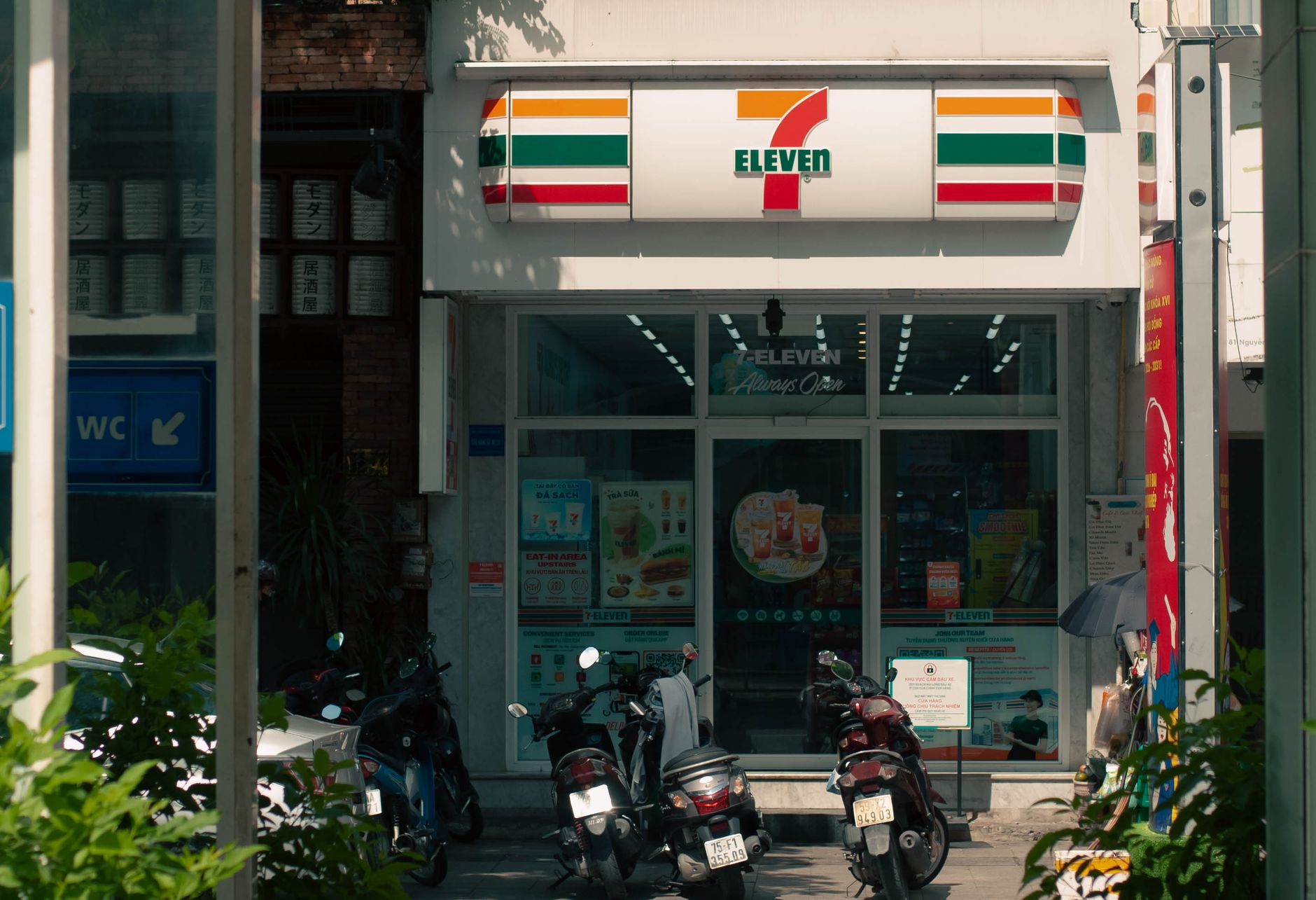
The 7-Eleven India partnership has faced significant challenges. Despite the collaboration with Reliance Retail, the ambitions for 7-Eleven in India have faltered, raising questions about the future of this venture.
Overview of 7-Eleven’s India Ambitions
7-Eleven, the global convenience store giant, embarked on an ambitious journey to expand its footprint in India through a partnership with Reliance Retail. This collaboration was anticipated to leverage Reliance’s vast retail network and deep understanding of the Indian market. However, the venture faced significant challenges that hindered its growth potential.
The partnership aimed to introduce the 7-Eleven brand to Indian consumers, focusing on convenience and accessibility. Despite high expectations, several factors contributed to its struggles, including:
- Intense Competition: The Indian retail landscape is dominated by established players.
- Regulatory Hurdles: Navigating complex regulations proved to be a barrier.
- Consumer Preferences: Adapting to local tastes and shopping behaviors was more difficult than anticipated.
As a result, the 7-Eleven India partnership has faced a rocky road, leaving many to ponder what went wrong in this promising venture.
The Role of Reliance Retail
The partnership between 7-Eleven and Reliance Retail was seen as a promising alliance, but various challenges hindered its success. Initially, the collaboration aimed to leverage Reliance’s extensive distribution network to establish 7-Eleven stores across the country. However, the execution faced significant hurdles.
Several factors contributed to the partnership’s struggles:
- Market Competition: The retail landscape in India is fiercely competitive, with numerous established players vying for customer attention.
- Consumer Preferences: Indian consumers have unique shopping habits that may not align with the 7-Eleven model, leading to a mismatch in offerings.
- Operational Challenges: Integrating 7-Eleven’s systems with Reliance’s existing operations proved more complex than anticipated.
Ultimately, the 7-Eleven India partnership did not fulfill its potential, raising questions about Reliance’s ability to adapt to changing market dynamics.
Market Analysis of Indian Retail
The Indian retail market, one of the fastest-growing sectors globally, has seen a surge in international brands looking to establish a presence. The 7-Eleven India partnership with Reliance was anticipated to capitalize on this growth, but several factors hindered its success.
Firstly, consumer preferences in India are distinct and often local, which meant that the standard 7-Eleven offerings required significant adaptation. Additionally, competition from established players like Big Bazaar and local kirana stores posed a formidable challenge.
Moreover, the rapid expansion of e-commerce has shifted consumer shopping habits, making it difficult for traditional retail formats to thrive.
Finally, the regulatory landscape in India can be complex, adding another layer of difficulty for foreign entrants. These challenges highlight the intricate dynamics of the Indian retail market and the potential pitfalls for international brands navigating this vibrant but challenging environment.
Challenges Faced by 7-Eleven
The partnership between 7-Eleven and Reliance faced several challenges that hindered the convenience store’s success in India. One of the primary issues was the intense competition in the retail sector, with established players like Big Bazaar and D-Mart dominating the market. Additionally, 7-Eleven India partnership struggled with adapting its global business model to local consumer preferences, which differ significantly across regions.
Supply chain inefficiencies also posed a significant hurdle, as Reliance’s extensive network did not seamlessly integrate with 7-Eleven’s operational standards. Furthermore, the initial rollout of stores was slower than anticipated, leading to missed opportunities in a rapidly evolving market.
Lastly, a lack of effective marketing strategies contributed to low brand visibility, preventing 7-Eleven from establishing a strong foothold in the Indian retail landscape. These factors collectively underscored the complexities of entering the diverse and competitive Indian market.
Consumer Response to 7-Eleven
Consumer response to the 7-Eleven India partnership has been mixed, reflecting a blend of curiosity and skepticism. Initial excitement surrounded the launch, with many eager to experience the iconic convenience store brand. However, as time progressed, various challenges began to surface.
Many customers expressed disappointment regarding the product range and pricing strategies. Some noted that the offerings did not align with local preferences, which is crucial for success in a diverse market like India. Additionally, the store locations often lacked adequate visibility, making it difficult for potential customers to find them.
Furthermore, the marketing efforts were perceived as insufficient, failing to effectively communicate the unique value proposition of the 7-Eleven brand. This has led to a growing sentiment that the partnership with Reliance Retail did not fully capitalize on the potential for success in the Indian market.
As consumers continue to voice their opinions, it remains to be seen how the partnership will adapt moving forward.
Future Prospects for 7-Eleven
The future prospects for 7-Eleven in India remain uncertain after its partnership with Reliance Retail did not yield the expected success. Despite the initial enthusiasm surrounding the 7-Eleven India partnership, several factors have contributed to the brand’s struggles in the competitive Indian market.
First, the adaptation of the 7-Eleven model to local consumer preferences has proven challenging. Traditional retail habits in India often favor local kirana stores, making it difficult for international brands to penetrate the market effectively.
Second, logistical issues and supply chain complexities have hindered the rollout of new stores. The ambitious expansion plans may need reevaluation, focusing on understanding regional dynamics better.
To regain momentum, 7-Eleven could consider a more tailored approach, enhancing product offerings that resonate with Indian consumers. Engaging with local communities and emphasizing convenience may also play a crucial role in rebuilding brand trust and acceptance.
Lessons Learned from the Partnership
The partnership between 7-Eleven and Reliance Retail offers several important lessons for global brands entering the Indian market. First, understanding local consumer behavior is crucial. Despite 7-Eleven’s global success, the unique preferences of Indian shoppers were not fully addressed, leading to a lukewarm response.
Second, strategic alignment between partners is vital. Reliance’s vision may not have fully aligned with 7-Eleven’s operational model, creating friction and inefficiencies. This highlights the need for clear communication and shared goals to ensure mutual success.
Finally, market adaptability is essential. The Indian retail landscape is dynamic, and flexibility in business strategy is necessary to respond to evolving consumer trends. The 7-Eleven India partnership serves as a reminder that even established brands must continuously adapt to thrive in new environments.
Ultimately, these lessons can guide future ventures in navigating the complexities of the Indian retail sector.
The 7-Eleven India partnership was expected to revolutionize convenience retail in the country, but unforeseen challenges emerged. As a result, the 7-Eleven India partnership faced significant hurdles that hindered its success.
Photo by A1 C09 on Pexels
Where this came from
Related reading
Ronak Optik Retail Expansion: Proven Strategies for Growth · Sauna shopping experience: Best proven options in Southeast · Is the Ram Katha collection the Best New Fashion Trend?